First-Time Homeowner? 7 Water Safety Steps to Take Before Move-In Day
Seven steps for new homeowners, starting with the one valve you should be able to find in the dark. Know your water before something goes wrong.
Co-written with AI assistance from Claude Opus.
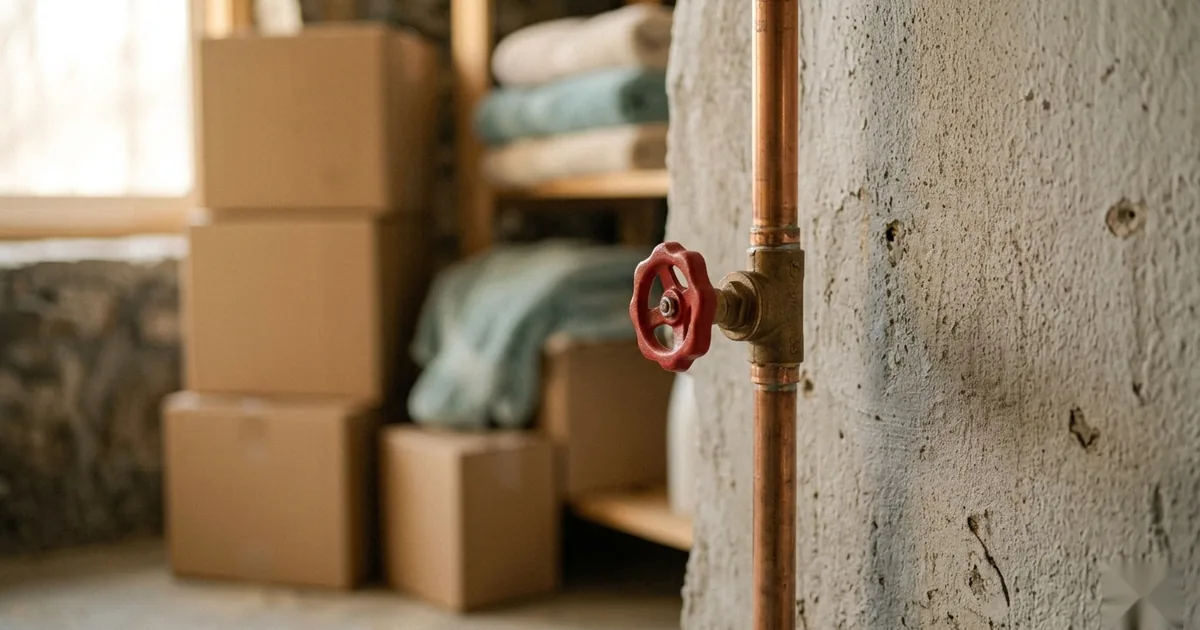
Welcome to homeownership. Start with the water.
Buying your first home is thrilling, and a little overwhelming. There is a lot you are now responsible for that a landlord used to handle, and near the top of that list is water. Water damage is one of the most common and most expensive problems homeowners face, and the difference between a minor scare and a major loss usually comes down to how prepared you are.
So before the moving truck arrives, spend an afternoon on these seven steps. They are simple, they are mostly free, and they will make you far more confident in your new home.
1. Find your main water shutoff valve
This is step one for a reason. Every homeowner should be able to shut off their home’s water in seconds, because the day you need to, you will really need to. Locate your main shutoff valve now, often in the basement, a utility area, near the water heater, or where the supply line enters the house, and make sure you can turn it. In an emergency, this valve is what stops a small disaster from becoming a catastrophe.
2. Check the water heater’s age and condition
Water heaters typically last 8 to 12 years, and a failing one can leak or fail dramatically. Find the unit, check its age (often decodable from the serial number or a label), and look for rust, corrosion, or moisture around the base. Knowing where it stands tells you whether you are looking at years of service or a replacement in your near future, better to know now than mid-shower.
3. Inspect the supply line hoses
The braided or rubber hoses feeding your washing machine, dishwasher, refrigerator, and toilets are a leading cause of sudden water damage when they fail. Look them over: any bulging, cracking, or corrosion means replace before you rely on them. Braided stainless steel hoses are a sturdy, inexpensive upgrade over old rubber ones. This is a cheap fix that prevents an expensive flood.
4. Learn your plumbing layout
Walk the house and build a mental map. Where are the sinks, toilets, and appliances? Where do the supply lines run? Where are the individual shutoff valves under sinks and behind toilets? Understanding the layout means that when something goes wrong, you know where to look and which valve to close, instead of scrambling.
5. Test the sump pump
If your home has a sump pump, usually in the basement or a crawl space, do not assume it works. Pour a bucket of water into the pit and confirm the pump activates and drains it. A sump pump only matters when it runs, and the worst time to discover a dead one is during the first heavy rain after move-in. Consider a battery backup for power outages.
6. Inspect for existing moisture issues
Before your belongings cover everything up, do a careful walkthrough looking for signs of past or present water problems: water stains on ceilings and walls, musty smells, warped flooring, dampness in the basement or under sinks, and any patches that look like mold. Catching an existing issue now, while rooms are empty and visible, is far easier than discovering it behind your furniture months later.
7. Set up water monitoring
The first six steps make you ready to respond. This one helps you prevent problems in the first place. You cannot watch every hidden spot in your new home by hand, and the costly leaks always happen where you are not looking. A smart water sensor keeps watch for you around the clock.
Our spooresLEAK sensor monitors leak-prone spots continuously, under sinks, by the water heater, behind appliances, and alerts your phone the moment it detects water, plus it tracks conditions like temperature and humidity. Paired with the spooresVALVE automatic shutoff, it can even stop the water on its own. For a new homeowner still learning the house, it is like having an experienced set of eyes watching the plumbing while you settle in.
The takeaway
You do not need to become a plumber overnight. But knowing where your shutoff is, understanding your home’s water systems, and setting up monitoring turns water from a source of anxiety into something you have handled. Do these seven things before move-in day, and you start homeownership on the front foot.
Welcome home. Join the waitlist to be first in line for our leak detection and monitoring devices.