Winter Pipe Burst Prevention: A Complete Guide
Keep pipes from freezing: insulation, thermostat strategy, the faucet-drip trick, and how temperature monitoring warns you first.
Co-written with AI assistance from Claude Opus.
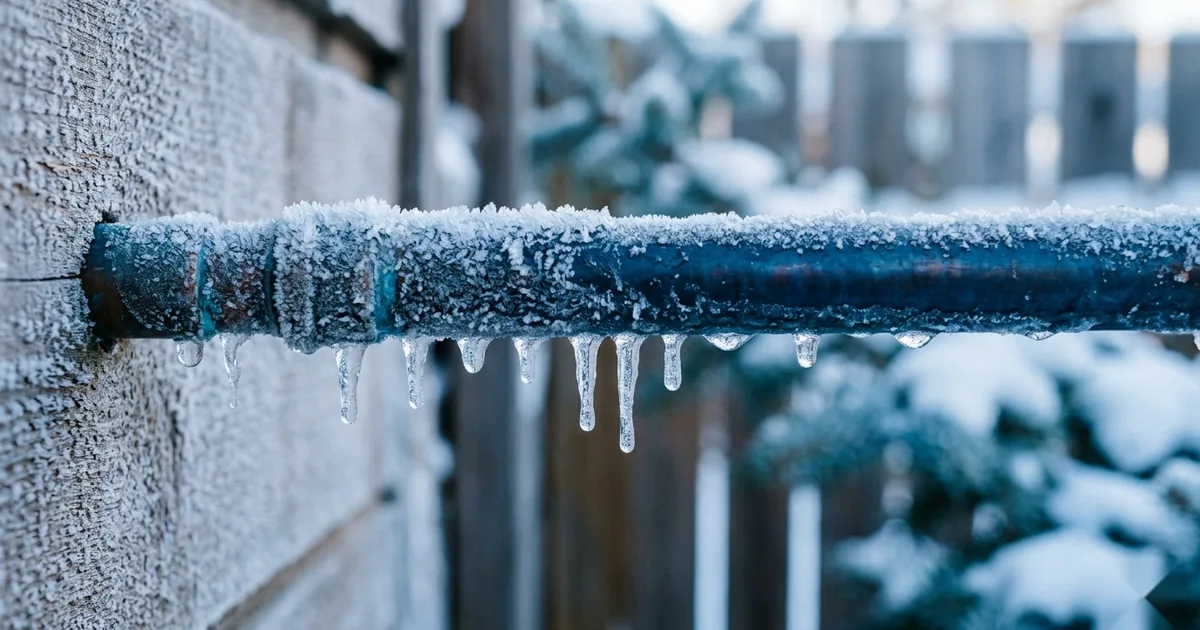
Why a frozen pipe is so dangerous
When water freezes, it expands. Trapped inside a pipe, that expanding ice puts enormous pressure on the walls of the pipe until something gives. The cruel twist is that the pipe often does not fail while it is frozen; it fails when it thaws and the water starts flowing again, releasing a burst that can dump water into the building at a startling rate.
A burst pipe is one of the most damaging and expensive winter emergencies a property owner can face, and an unheated building over a holiday closure is where it does the most damage before anyone notices. The good news: freezing is highly preventable with a few well-known steps. Here is the complete playbook.
Know which pipes are at risk
Not all pipes freeze equally. The vulnerable ones run through unheated or poorly insulated spaces and along exterior walls:
- Pipes in unheated areas: basements, crawl spaces, attics, garages.
- Pipes running through exterior walls.
- Outdoor faucets, hose bibs, and sprinkler lines.
- Pipes in rooms you keep cooler or close off in winter.
Start your prevention where the cold gets in.
Insulate
Insulation is your first line of defense. Foam pipe sleeves are inexpensive and easy to fit over exposed pipes in basements, crawl spaces, attics, and garages. For pipes in especially cold spots, heat tape or heat cable adds active protection. Seal gaps and cracks near pipes where cold air sneaks in, around rim joists, vents, and where lines pass through walls, so frigid air cannot pool against the plumbing.
Manage your thermostat
- Keep the heat on, even when you are away. It is tempting to turn the thermostat way down or off while traveling in winter, but a house that gets cold enough inside can freeze its pipes. Keep it set no lower than around 55°F (about 13°C) when you are away.
- Do not let it swing too low at night. Big overnight setbacks save a little on heating but raise freezing risk during the coldest hours.
- Open interior doors so heat circulates, and open cabinet doors under sinks on exterior walls to let warm room air reach the plumbing.
Let faucets drip on the coldest nights
When temperatures drop hard, let a vulnerable faucet drip slightly. A trickle of moving water relieves pressure in the system and makes freezing far less likely, because moving water is much harder to freeze than still water. It is a small waste of water that can save you a burst pipe.
Before winter, and before a cold snap
- Disconnect and drain garden hoses, and shut off and drain outdoor faucet lines.
- Drain sprinkler and irrigation systems.
- Know where your main water shutoff is, so if a pipe does burst you can stop the flow fast.
- Service your heating system so it does not quit on the coldest night of the year.
The early-warning layer: temperature monitoring
Every step above lowers the odds of freezing, but none of them tell you when a pipe is actually approaching danger, or the moment one bursts. That is the gap monitoring fills, and it is why a leak sensor that also tracks temperature is so useful in winter.
Our spooresLEAK sensor watches temperature as well as moisture. Placed in the vulnerable spots, a basement, crawl space, or garage, it can alert you when the temperature there is dropping toward freezing, giving you a window to act, add heat, open a cabinet, start a drip, before the pipe ever freezes. And if a pipe does burst, it detects the water immediately and, paired with the spooresVALVE automatic shutoff, can cut the supply before the flood spreads. That matters most in exactly the winter scenario where damage runs wild: a burst while you are away and the house is cold.
Prevention lowers the risk; monitoring catches the case prevention misses.
The takeaway
Frozen pipes are preventable, and the steps are not hard: insulate the vulnerable runs, keep the heat on, drip the faucets on the coldest nights, and know your shutoff. Add temperature monitoring on top, and you get an early warning before freezing and instant detection if a pipe ever lets go, which is the difference between a scare and a flooded home.
Keep this guide handy each fall. Join the waitlist to be first in line for our leak detection and temperature-monitoring devices.